

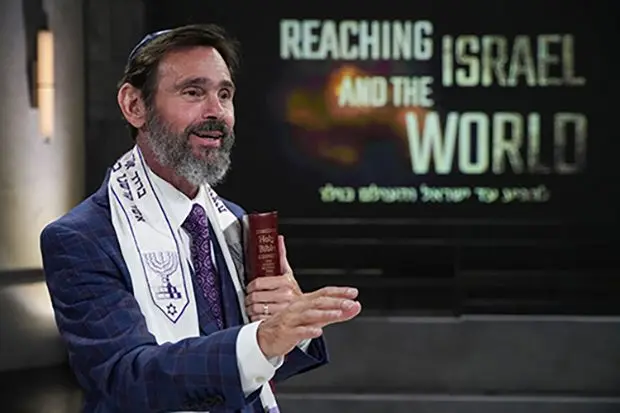
Embracing the New: Rabbi Schneider’s Prophetic Transition
In a deeply personal and symbolic move, Rabbi Schneider recently shared a significant spiritual transition: the decision to cut his peyos (biblical sidelocks) after seven years. What began as a public declaration of his Jewish identity in Messiah has now become a lesson in radical obedience and the willingness to embrace a “new thing” from God.
A Seven-Year Statement
In 2019, Rabbi Schneider began growing his peyos as a prophetic sign. His goal was to demonstrate that following Yeshua (Jesus) is the most authentic form of Jewish spirituality. For seven years, they served as a visible bridge between his Jewish heritage and his faith in the Messiah.
However, this journey was not without its challenges. The Rabbi faced significant pushback, including:
- Media Rejection: Being removed from a television network because his appearance was “too Jewish.”
- Community Tension: Facing criticism from some in the Messianic community who felt the peyos leaned too heavily into Rabbinic tradition.
Despite the friction, the Rabbi cherished them as a means of witness, often using his distinctive appearance to spark conversations about the Kingdom of Heaven.
The Power of Two Dreams
A series of supernatural confirmations sparked the decision to change his appearance on January 1, 2026.
First, Rabbi Schneider experienced a vivid dream in which he saw himself on the cover of a magazine. In this vision, he looked exactly as he did prior to 2019—without the peyos. The magazine represented a higher level of clarity, logic, and information, suggesting a new platform for his ministry.
The confirmation became undeniable just four hours later. His daughter, Alyssa—who has a history of accurate prophetic dreams—called him to report a vision she had the very same night. Without knowing about her father’s dream, she told him, “Dad, I dreamed that you didn’t have the peyos anymore.”
The Sacrifice of Obedience
For Rabbi Schneider, the decision was not about personal preference; in fact, he admitted he loved having the peyos and intended to keep it for life. Instead, he viewed the act through the lens of King David, who refused to offer the Lord a sacrifice that “cost him nothing.”
“I’m not going to offer to the Lord that which cost me nothing.” — 1 Chronicles 21:24
By cutting the peyos, the Rabbi offered a “costly sacrifice” of his own desires to remain in step with the Holy Spirit. He believes this transition marks a season of expanded reach, where God will open doors to new audiences that may have previously been closed.
Moving into the “New Thing”
The core message of this transition is one of spiritual flexibility. Rabbi Schneider emphasizes that while our outward appearance or traditions may change, our core identity must remain rooted solely in a relationship with God.
He concludes with a powerful reminder for all believers: To enter into the “new thing” God is doing, we must be willing to let go of the “old thing.” As he steps into this new chapter of ministry, he encourages his followers to believe that God’s future plans are always greater than the seasons we leave behind.
Catch Rabbi Schneider on Discovering The Jewish Jesus.