Understanding Idols Through the Lens of the Bible
Idolatry is a recurring theme throughout the Holy Bible, and understanding what constitutes an idol—and why God warns against them—can deepen our faith and relationship with Him. In this blog post, we’ll explore the biblical perspective on idols, what they represent, and how these ancient warnings remain relevant today.
What Is an Idol?
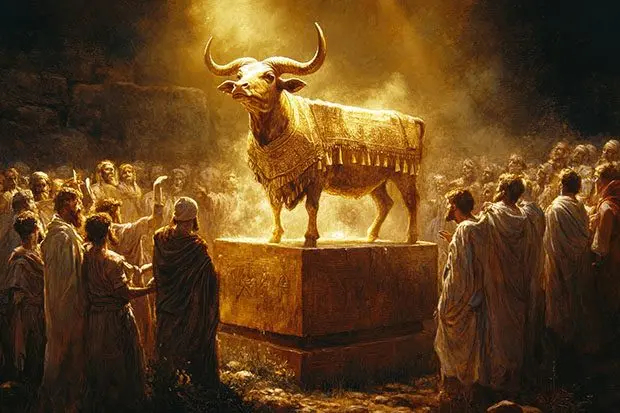
In the biblical context, an idol is anything that takes the place of God in a person’s heart or life. Traditionally, idols were physical objects—statues, images, or symbols—worshipped as gods or as representations of deities. The Bible, however, expands the definition to include anything that becomes more important than God, including desires, possessions, people, or even personal ambitions.
Biblical Warnings Against Idolatry
From the Old Testament to the New Testament, Scripture is clear about the dangers of idolatry:
- The Ten Commandments: In Exodus 20:3-4, God commands, “You shall have no other gods before me. You shall not make for yourself a carved image…you shall not bow down to them or serve them.” This commandment emphasizes God’s desire for exclusive worship and loyalty.
- Consequences of Idolatry: The Old Testament recounts numerous instances where Israel turned to idols and suffered the consequences, both spiritually and as a nation (see Judges 2:11-15, 2 Kings 17:7-18).
- Idols of the Heart: In Ezekiel 14:3, God tells the prophet, “These men have set up their idols in their hearts.” This reveals that idolatry is not just external, but internal—a matter of where we place our trust and devotion.
- New Testament Perspective: The apostle Paul warns believers to “flee from idolatry” (1 Corinthians 10:14) and to “put to death…greed, which is idolatry” (Colossians 3:5). Idolatry is not limited to ancient statues; it can be anything that rivals our love for God.
Modern Idolatry
While few people today bow before golden calves, idolatry is still a relevant issue. Anything that captures our hearts and affections more than God—money, status, relationships, technology, or even our own comfort—can become an idol. The Bible calls us to examine our lives and hearts, asking whether we have placed anything above God.
How to Guard Against Idolatry
- Regular Self-Examination: Take time to reflect on what occupies your thoughts, time, and resources.
- Prioritize Worship: Spend time in prayer and Bible study, keeping God at the center of your life. Remember, we are not to idolize worship songs, leaders, or groups of any kind, but rather fix our eyes on Jesus and continue to build our relationship with Him.
- Confess and Repent: If you realize something has become an idol, confess it to God and ask for His help to reorient your heart.
Conclusion
The Bible’s teachings on idols are not just ancient rules—they’re timeless guidance for keeping our hearts devoted to God. By recognizing and removing idols, we can experience deeper freedom, peace, and joy in our walk with the Lord.
Hear how local pastors agree on the topic of idolatry. Our very own Pastor Shane Idleman, with Regaining Lost Ground, and Pastor Jay Haizlip, Lead Pastor at The Sanctuary Church here in Costa Mesa, in Southern California, agree